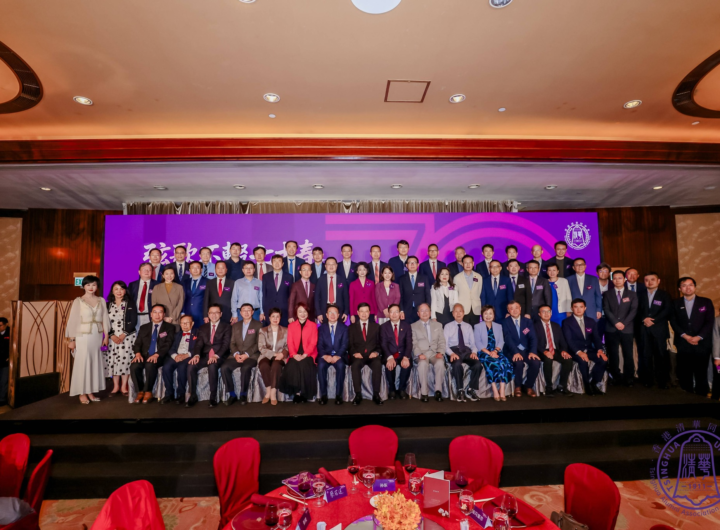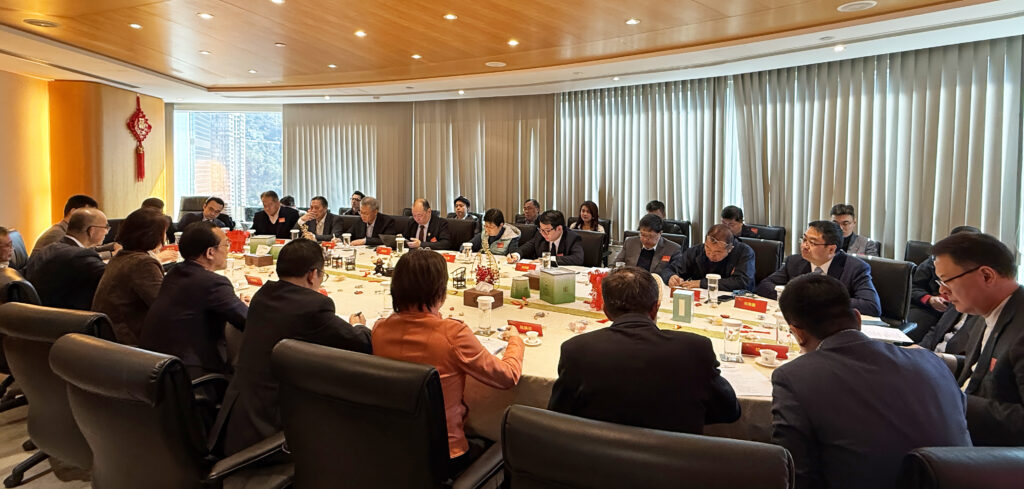
Image 1: The 2026 Chinese New Year Tea Party of the China Guangdong-Hong Kong-Macao Greater Bay Area Think Tank Alliance was held at the Tianda Institute.
(Hong Kong, 14 March 2026) The China Guangdong-Hong Kong-Macao Greater Bay Area Think Tank Alliance 2026 Chinese New Year Tea Party was successfully held at the Tianda Institute on March 14, 2026. Dr. Starry Lee, President of the Legislative Council of the Hong Kong S.A.R.; Dr. Wang Chunxin, Deputy Head of the Chief Executive’s Policy Unit of the Hong Kong S.A.R.; Mr. Fang Wenquan, Chairman of the China Guangdong-Hong Kong-Macao Greater Bay Area Think Tank Alliance and Chairman of the Tianda Institute; Professor Priscilla Leung, member of the National People’s Congress of the People’s Republic of China and member of the Legislative Council of the Hong Kong S.A.R.; Hon Wu Yingpeng, member of the Legislative Council of the Hong Kong S.A.R.; and the person in charge of the Research Department of the Liaison Office of the Central People’s Government in the Hong Kong S.A.R., among more than 30 other distinguished guests who gathered together to celebrate the Year of the Horse.
Chairman Fang Wenquan said in his address that in order to promote internal exchange within the Alliance, strengthen its external outreach and draw on the expertise of various fields, the Think Tank Alliance has launched two major event series: ‘Afternoon Tea Gatherings’ and ‘Thematic Seminars’, now held on a monthly basis. Looking ahead to 2026, the Alliance will continue to organise these events, as well as striving to prepare and organise for the “Guangdong-Hong Kong-Macao Greater Bay Area International Cooperation Forum”. Also the Think Tank Alliance is going to launch the ‘One Research, One Visit’ initiative. In which, a research project is being initiated on the theme of “Innovative Mechanisms in the Guangdong-Hong Kong-Macao Greater Bay Area”. Furthermore, delegations will be organised to visit the Chinese mainland from time to time. These initiatives aim to promote the effective integrated development of the Greater Bay Area, as well as fostering regional economic collaboration and international cooperation within and outside the Chinese mainland in order to effectively serve the national strategic plan of the People’s Republic of China.
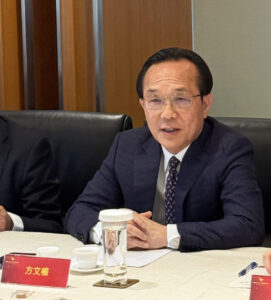
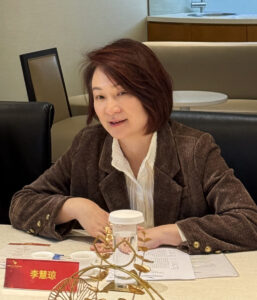
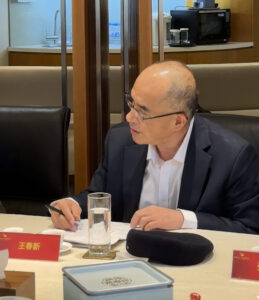
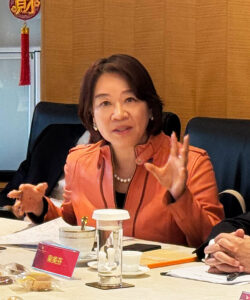
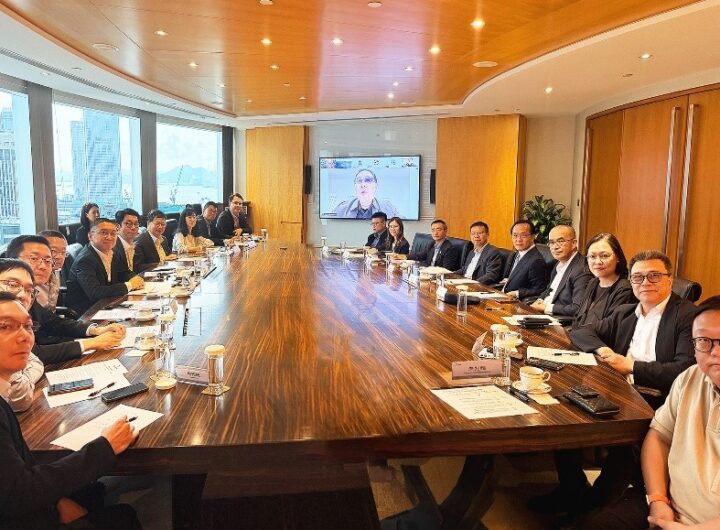
Image 2: The Chinese New Year Tea Party was attended by over 30 representatives from the political, business and think-tank sectors in Guangdong, Hong Kong and Macao.
Dr Starry Lee, President of the Hong Kong Legislative Council, expressed her gratitude to the Think Tank Alliance for setting up a platform that allows representatives from the Hong Kong SAR government and the Legislative Council, as well as think tank experts and scholars, to exchange ideas and learn from each other. As a member of both the National People’s Congress of the People’s Republic of China and Legislative Council of the Hong Kong S.A.R., she said it is necessary for her to regularly engage with experts and scholars, and to draw on public wisdom. She expressed hope that the think tank community would continue to work alongside the government and the Legislative Council in the future, enabling Hong Kong to play a greater role in the national “15th Five-Year Plan” and make further contributions to the development of the country.
During the tea party, participants enjoyed tea and exchanged insights in a relaxed and pleasant atmosphere. They offered valuable opinions and suggestions on the major significance of the National Two Sessions, discussing how Hong Kong and Macao could align with the Chinese Mainland’s 15th Five-Year Plan. There was a consensus that Hong Kong and Macao must play an integral role in implementing the Plan. Hong Kong can boost its economic growth by strengthening its capabilities in innovation and technology, finance, trade and shipping, while Macao can seek more collaboration opportunities with Portuguese-speaking countries and regions, thereby helping the country achieve high-quality development.